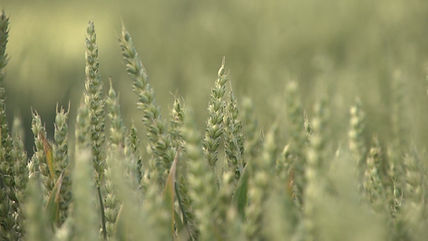
Top Quality Crops: Wheat, Rice, Mustard, and More
- Junaid Chang
- Jun 12
- 4 min read

Agriculture is the backbone of many economies around the world, providing food, raw materials, and employment. Among the various crops cultivated, wheat, rice, and mustard stand out due to their significance in global food security and economic stability. This blog post explores these essential crops, their cultivation, benefits, and the role they play in our daily lives.
Understanding the Importance of Crops
Crops are cultivated for various purposes, including food, fiber, and fuel. They are categorized into several types, such as cereals, legumes, fruits, and vegetables. Among these, cereals like wheat and rice are staple foods for a large portion of the global population. Mustard, while not a staple, is crucial for oil production and has numerous health benefits.
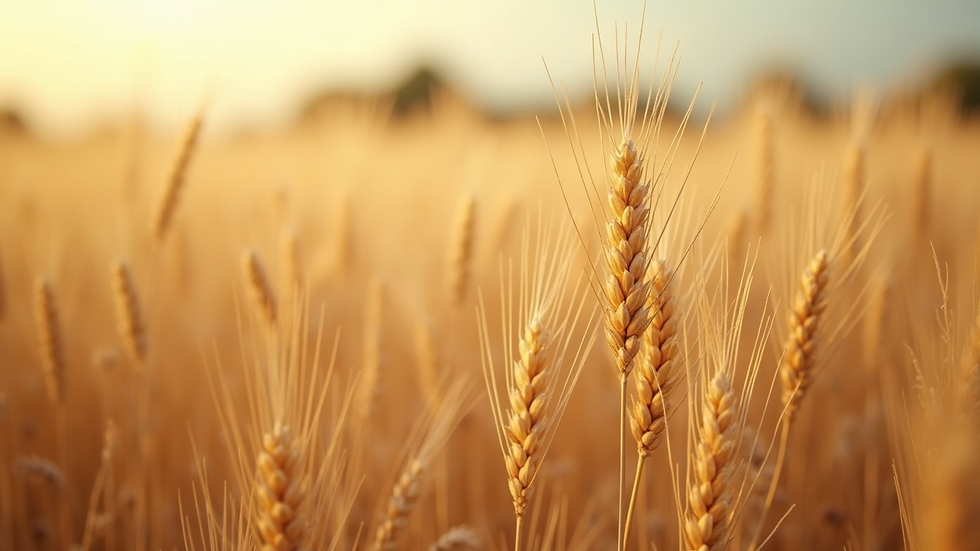
Wheat: The Global Staple
Wheat is one of the most widely grown crops in the world. It is a primary source of carbohydrates and provides essential nutrients. Here are some key points about wheat:
Varieties: There are several types of wheat, including hard red, soft red, durum, and white wheat. Each type has specific uses, from bread-making to pasta production.
Nutritional Value: Wheat is rich in vitamins B and E, minerals, and dietary fiber. Whole wheat products are particularly beneficial for health.
Cultivation: Wheat thrives in temperate climates and is typically planted in the fall or spring. It requires well-drained soil and adequate rainfall.
Benefits of Wheat
Food Security: Wheat is a staple food for billions, making it crucial for global food security.
Economic Impact: Wheat farming supports millions of farmers and contributes significantly to the economy.
Versatility: Wheat can be processed into various products, including flour, bread, pasta, and more.
Rice: The Lifeline of Asia
Rice is another staple crop, particularly in Asia, where it is a primary food source for over half of the world's population. Here are some insights into rice:
Types of Rice: There are two main types of rice: indica (long-grain) and japonica (short-grain). Each type has unique cooking properties and flavors.
Nutritional Benefits: Rice is a good source of energy, providing carbohydrates. Brown rice, in particular, retains more nutrients compared to white rice.
Cultivation: Rice is typically grown in flooded fields, known as paddies. It requires warm temperatures and a lot of water.
Benefits of Rice
Cultural Significance: Rice is not just food; it is a part of cultural identity in many Asian countries.
Economic Role: Rice farming is a significant source of income for millions of farmers.
Adaptability: Rice can be grown in various environments, from irrigated fields to rain-fed areas.
Mustard: The Oilseed Champion
Mustard is often overlooked but plays a vital role in agriculture and cooking. Here’s what you need to know about mustard:
Types of Mustard: There are several varieties, including yellow, brown, and black mustard. Each type has distinct flavors and uses.
Nutritional Value: Mustard seeds are rich in omega-3 fatty acids, antioxidants, and minerals.
Cultivation: Mustard is typically grown in cooler climates and can be sown in spring or fall.
Benefits of Mustard
Health Benefits: Mustard oil is known for its heart-healthy properties and is used in various cuisines.
Crop Rotation: Mustard is often used in crop rotation to improve soil health and reduce pests.
Economic Value: Mustard farming provides income for many smallholder farmers.
The Role of Technology in Crop Production
Advancements in technology have revolutionized agriculture, making it more efficient and sustainable. Here are some ways technology is impacting crop production:
Precision Agriculture: This involves using GPS and data analytics to optimize farming practices, leading to better yields and reduced waste.
Genetic Modification: Scientists are developing crops that are resistant to pests and diseases, which can lead to higher productivity.
Sustainable Practices: Technologies that promote sustainable farming, such as drip irrigation and organic farming methods, are gaining popularity.
Challenges in Crop Production
Despite the advancements, crop production faces several challenges:
Climate Change: Changing weather patterns can affect crop yields and food security.
Pests and Diseases: Crop diseases and pests can devastate harvests, leading to economic losses.
Soil Degradation: Over-farming and poor land management can lead to soil depletion.
Sustainable Practices for Crop Cultivation
To ensure the longevity of crops like wheat, rice, and mustard, sustainable farming practices are essential. Here are some effective strategies:
Crop Rotation: Rotating different crops can improve soil health and reduce pest populations.
Organic Farming: Using natural fertilizers and pest control methods can enhance soil quality and reduce chemical runoff.
Water Management: Efficient irrigation systems can conserve water and improve crop yields.
The Future of Crop Production
The future of crop production looks promising with ongoing research and innovation. Here are some trends to watch:
Vertical Farming: This method allows crops to be grown in urban areas, reducing transportation costs and improving access to fresh produce.
Biotechnology: Continued advancements in genetic engineering may lead to crops that can withstand extreme weather conditions.
Agroecology: This approach focuses on sustainable farming practices that work in harmony with nature.
Conclusion
Wheat, rice, and mustard are more than just crops; they are essential components of our food systems and economies. Understanding their importance, cultivation practices, and the challenges they face can help us appreciate the hard work that goes into producing our food. As we look to the future, embracing sustainable practices and technological advancements will be crucial in ensuring food security for generations to come.
By supporting local farmers and choosing sustainable products, we can all play a part in promoting the growth of these vital crops.


Comments